Can a society thrive when everyone starts differently?
Kingdonomics is an existing tabletop simulation where participants manage scarce resources, respond to uncertainty and make individual and collective choices.
Within EconAbility, Kingdonomics becomes a way to make unequal starting circumstances visible. A future version will vary access to money, time, transport, support and resilience, allowing participants to explore how outcomes are shaped by circumstances, institutions and cooperation — not only individual choices.
A Structural Departure from Information Processing
Traditional Learning
Information Gathering
Most educational tools attempt to pass functional systems literacy through text presentation. Children memorize definitions, repeat vocabulary terms, and execute rote processing assessments without visceral context.
The Kingdonomics Shift
Behavioral Experience
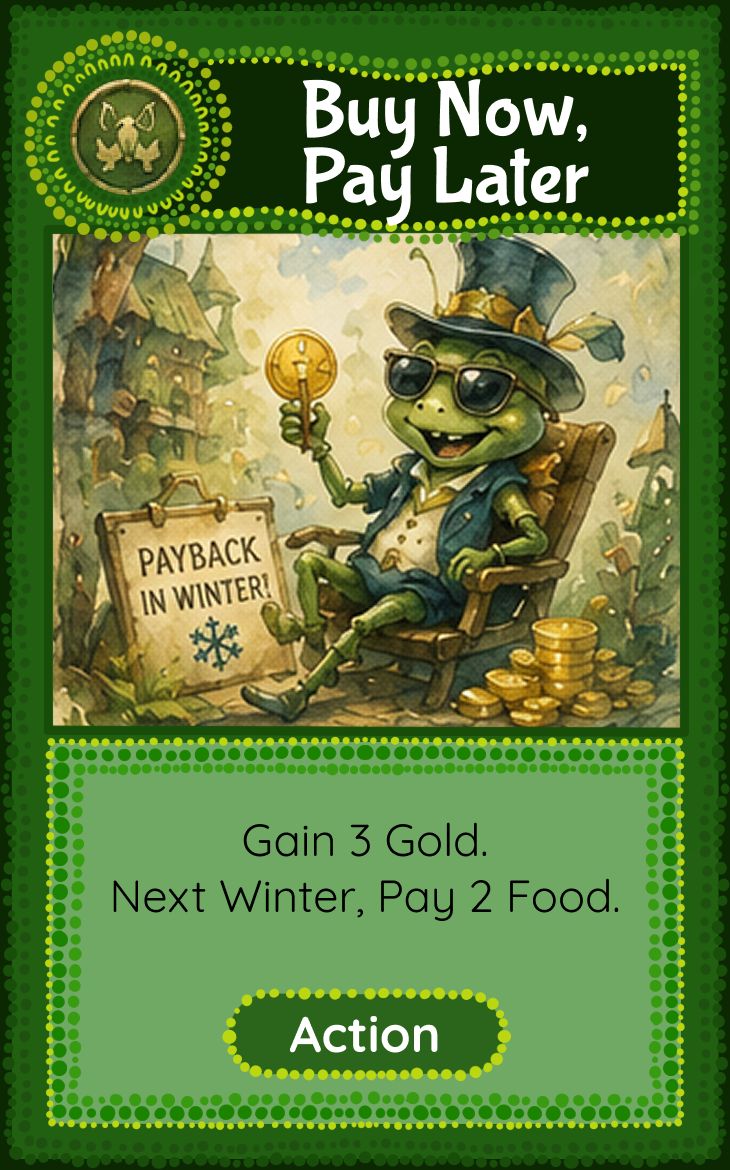
Kingdonomics teaches economics through direct gameplay experience. Players don’t memorize scarcity—they deplete critical reserves. They don’t calculate generic savings ratios—they navigate structural environmental changes because they held capital allocations over long horizons.
Ecosystem Alignment
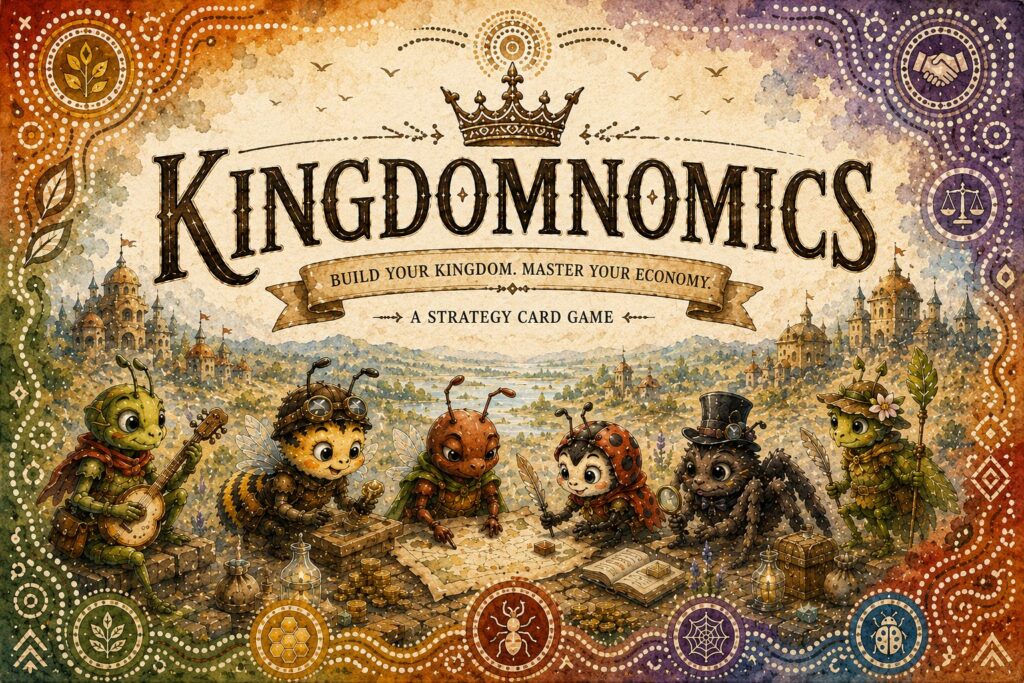
Welcome to the Kingdom of Insects
Long ago, structural resource models diverged across competitive insect populations. To build a resilient empire, players align with specific tactical philosophies:
Faction Asset Class
Operational Strategy & Economic Philosophy
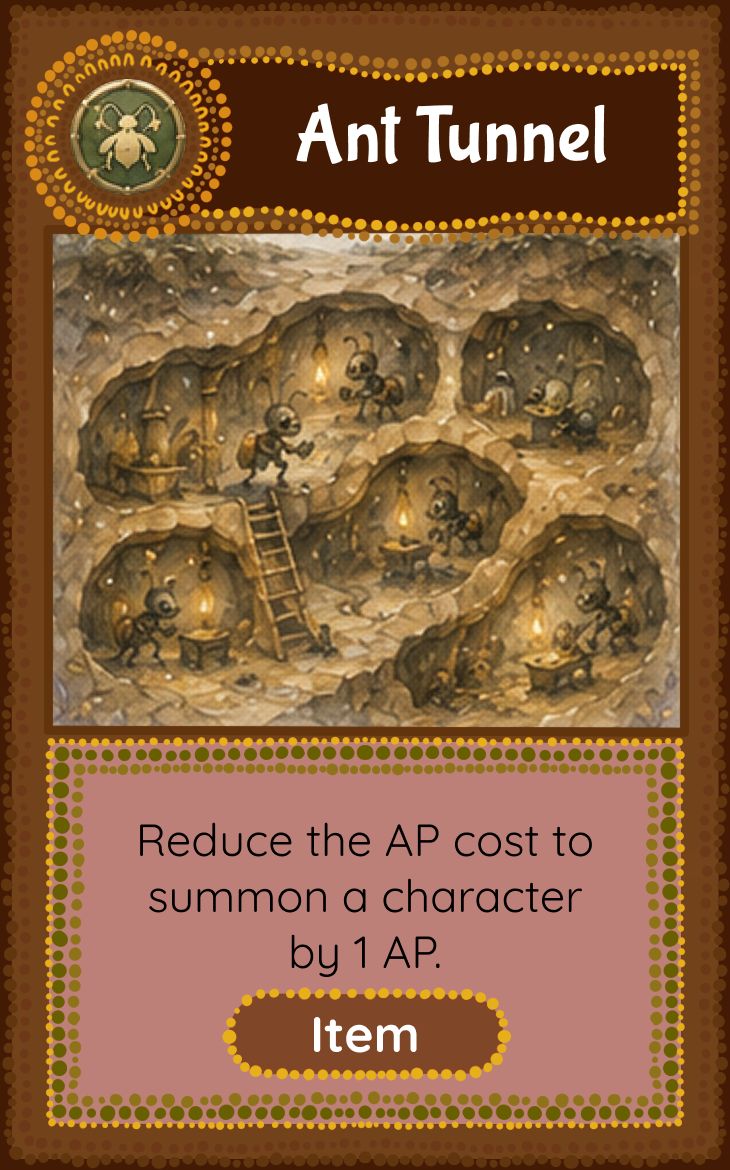
The Ants
Aggressive labor specialization, operational continuity, and heavy reserve capital accumulation.
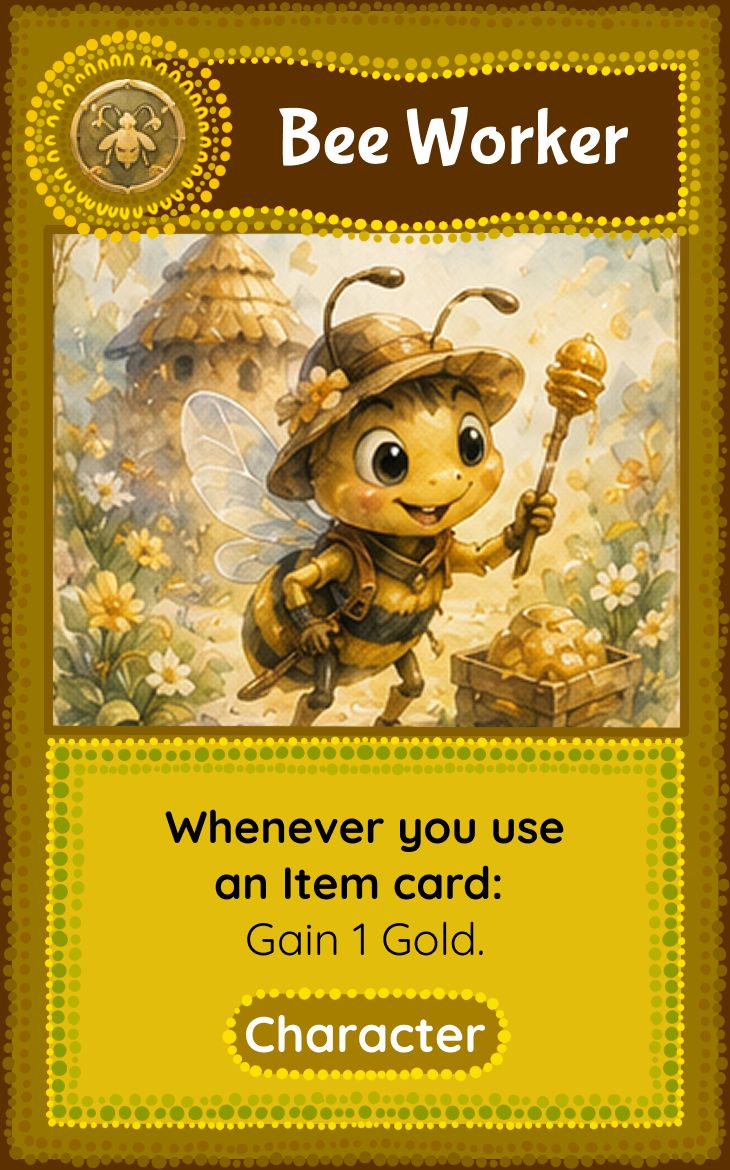
The Bees
Logistical infrastructure layout, external cross-border trade, and commercial scaling.
The Spiders
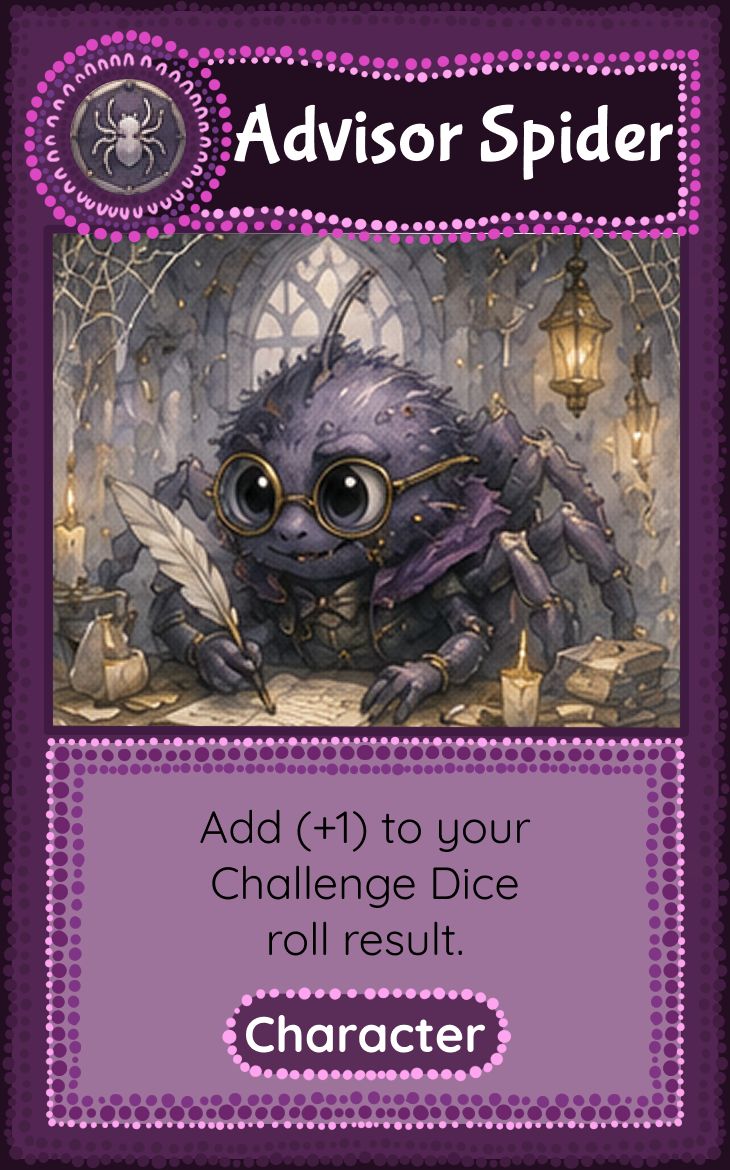
Asymmetric strategy parameters, systemic negotiation leverage, and contract enforcement models.
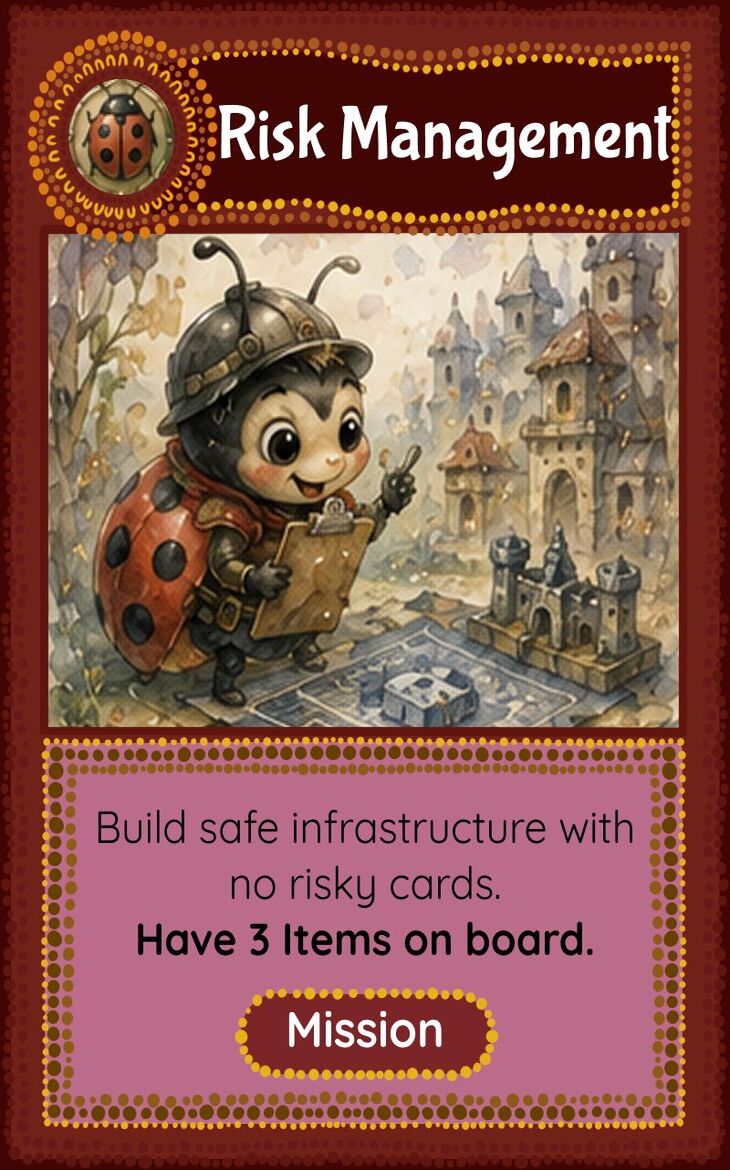
The Ladybugs
Public infrastructure protection, community risk pooling, and operational risk mitigation mechanics.
Gallery
Structural Mechanics
The Game Loop Sequence
Every macro cycle requires precise balancing across consecutive execution checkpoints.
01 / FOUNDATION
Build Kingdoms
Deploy initial structural properties and establish basic resource baselines.
02 / TRANSACTION
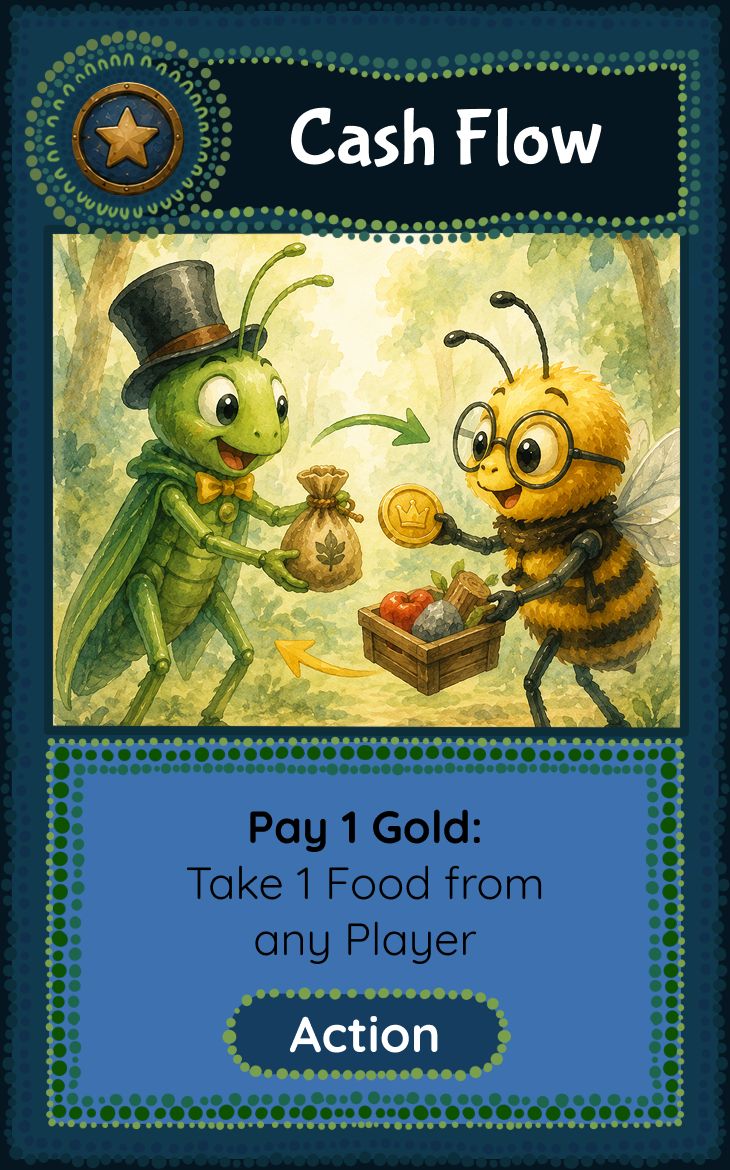
Collect & Trade
Deploy initial structural properties and establish basic resource baselines.
03 / OBJECTIVE
Complete Missions
Deploy initial structural properties and establish basic resource baselines.
04 / RESOLUTION
Survive Winter
Deploy initial structural properties and establish basic resource baselines.
FEATURED BOARD GAME
Kingdonomics™
Build Kingdoms. Learn Economics.
Kingdonomics is a strategic board game where players manage resources, navigate uncertainty and build thriving communities.
Players must balance short-term needs with long-term prosperity while competing and collaborating with others.
Learning validation targets mapped to active mechanics.
Balancing Loop & Scarcity Engine Tested
Iterative math models optimized for fair, rigorous outcomes.
Scalable Component Fabrication Focus
Deploying production ready assets for volume deployment blo
The EconTech Universe Connection
The Strategic Learning Pathway
How our functional ecosystem elements systematically interface to deliver unified education loops.
Step 1: Read
Economics for Kids Books
Step 2: Play (Current Target)
Kingdonomics Tabletop Engine
Step 3: Apply
EconLab Practical Workshops
Secure Priority Pipeline Deployment
Be Among the First to Experience Kingdonomics™
Join forward-looking families, progressive educators, and systemic grant partners working collaboratively to change the baseline structure of interactive economic literacy.